
HSG Test In Nagpur
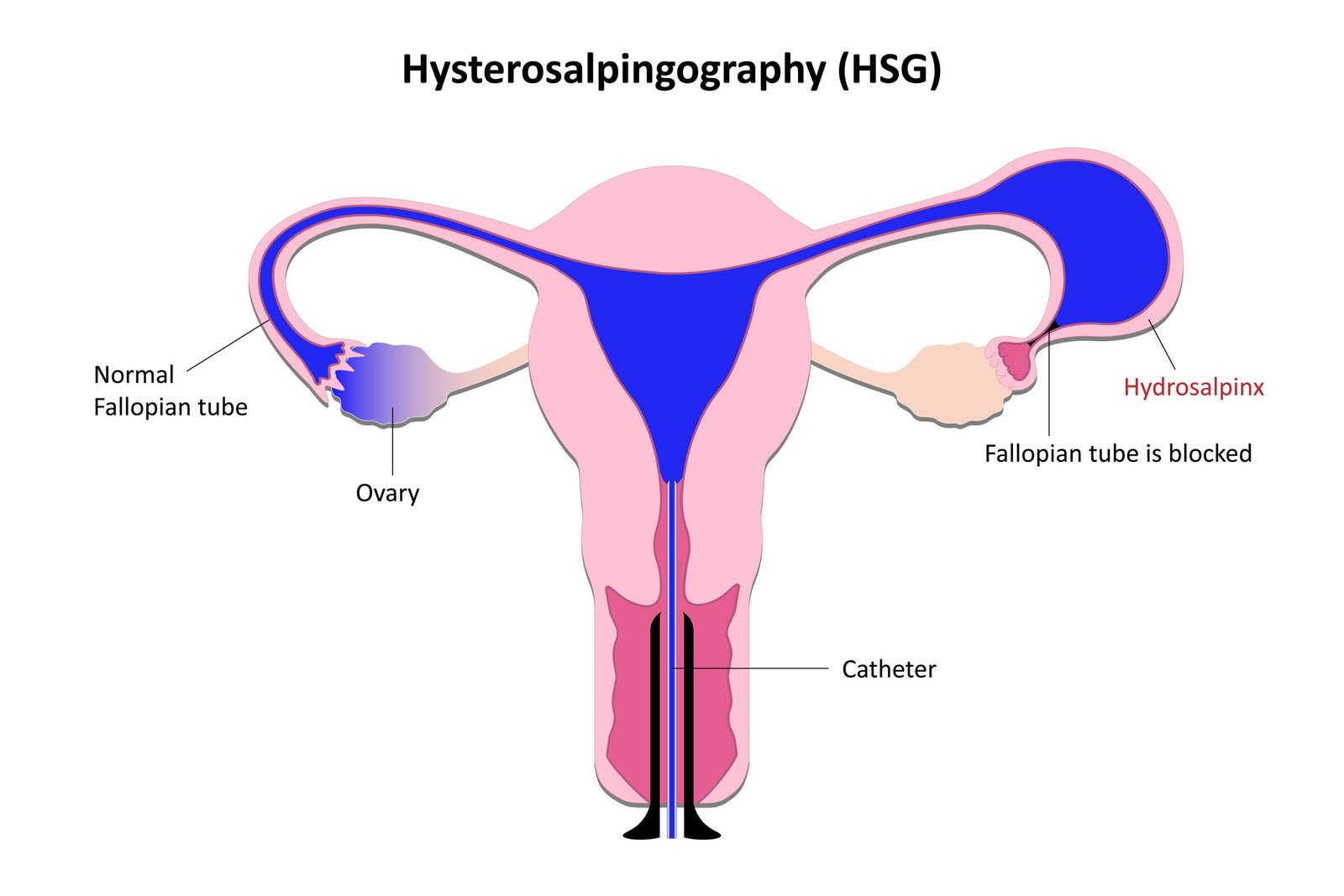
What is an HSG Test?
An HSG (Hysterosalpingogram) is a diagnostic radiologic procedure where:
A contrast dye is introduced into the uterus through the cervix
X-ray (fluoroscopy) images are taken to assess the shape of the uterine cavity and the openness (patency) of the fallopian tubes
This test is commonly used in fertility assessments, particularly when a woman has difficulty conceiving.
Importance of HSG Test in Fertility
The HSG test is essential for evaluating causes of infertility, especially related to structural abnormalities. Key benefits include:
Detecting blockages in the fallopian tubes
Identifying abnormalities in the uterine cavity (polyps, fibroids, septum)
Evaluating uterine adhesions or scarring
Checking for congenital defects
Who Needs an HSG Test?
Doctors recommend the HSG test for women who:
Are experiencing infertility (unable to conceive after 12 months of unprotected sex)
Have recurrent miscarriages
Show signs of uterine abnormalities on ultrasound
Are undergoing fertility treatments like IVF or IUI
Preparation Before HSG Test
Proper preparation ensures safety and effectiveness. Key steps include:
Scheduling
Performed between days 7 to 10 of the menstrual cycle
Ensures the uterus is clear of pregnancy and active bleeding
Medications
Antibiotics may be prescribed to prevent infection
Pain relievers like ibuprofen may be advised 1 hour before the test
Pre-Test Instructions
No sexual intercourse 1–2 days before the test
Light meal before the test is usually allowed
Consent and Explanation
Doctor explains the procedure and obtains written consent
Conclusion
The HSG test plays a crucial role in fertility evaluations and diagnosing reproductive tract disorders. With its ability to detect uterine and tubal abnormalities, it helps guide timely and effective treatments for women trying to conceive. book an appointment at Nobel Imaging and Diagnostic for a medical test
In some cases, a contrast dye may be injected to enhance the visibility of certain tissues or blood vessels. If needed, our staff will discuss this with you beforehand. Contact Us