
Pet CT Scan In Gadchiroli
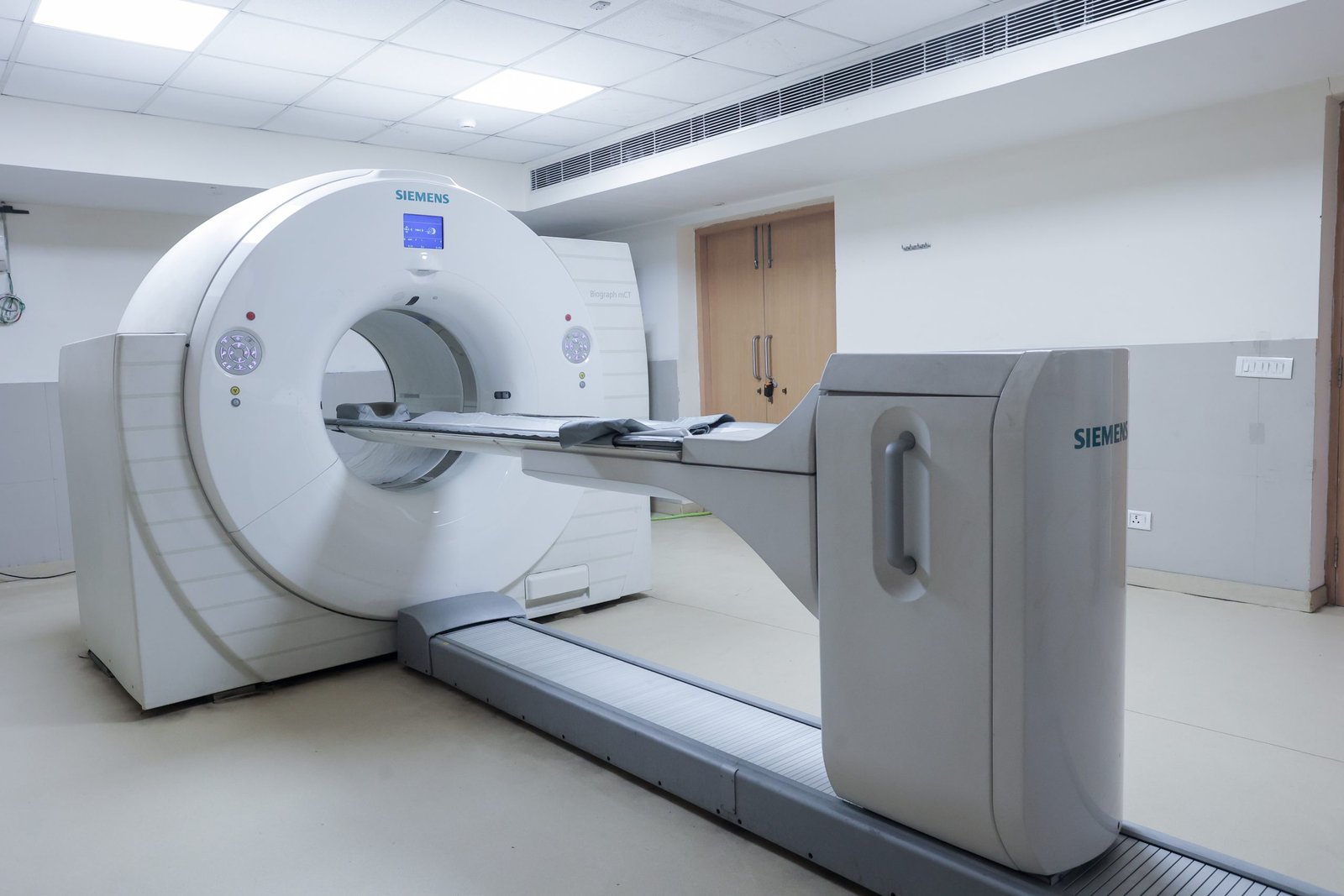
What is a PET CT Scan?
Consequently, physicians receive comprehensive information about both the function and anatomy of organs and tissues. In addition, this advanced technology helps detect diseases before major physical changes occur.
PET CT scans are commonly used for:
- Cancer detection
- Cancer staging
- Monitoring treatment response
- Detecting cancer recurrence
- Neurological evaluations
- Cardiac assessments
Why is a PET CT Scan Important?
Early diagnosis plays a crucial role in successful treatment. Therefore, PET CT imaging has become an important part of modern healthcare.
Unlike conventional imaging methods, PET CT scans identify abnormal cellular activity at an early stage. As a result, doctors can begin treatment sooner and improve patient outcomes.
Furthermore, PET CT imaging helps reduce the need for multiple diagnostic procedures. It also supports more accurate treatment planning and follow-up care.
Who Can Benefit from a PET CT Scan?
Your doctor may advise a PET CT Scan if detailed imaging is necessary for diagnosis or treatment monitoring.
Cancer Patients
PET CT scans help diagnose and evaluate several types of cancer, including:
- Lung cancer
- Breast cancer
- Lymphoma
- Colorectal cancer
- Cervical cancer
- Thyroid cancer
- Head and neck cancers
- Esophageal cancer
Additionally, the scan helps determine whether cancer has spread to other parts of the body.
Patients Undergoing Cancer Treatment
Doctors often recommend PET CT imaging to monitor the effectiveness of chemotherapy, radiation therapy, or immunotherapy. Consequently, treatment plans can be adjusted whenever necessary.
Neurological Disorders
PET CT scans are also useful for evaluating conditions such as:
- Alzheimer’s disease
- Dementia
- Epilepsy
- Parkinson’s disease
Moreover, these scans help specialists understand brain function more accurately.
Heart Diseases
PET CT imaging can assess blood flow to the heart muscles. In addition, it helps identify damaged tissue and evaluate cardiac viability.
How to Prepare for CT Scan
Proper preparation plays an important role in obtaining accurate results.
Before your appointment, you should:
- Fast for 4 to 6 hours unless your doctor advises otherwise.
- Drink sufficient water.
- Inform the medical team if you have diabetes.
- Notify your doctor if you are pregnant or breastfeeding.
- Avoid strenuous exercise for at least 24 hours before the scan.
- Wear comfortable clothing without metal accessories.
- Bring previous medical records and imaging reports.
By following these instructions, you can help ensure the highest image quality.
Benefits of PET CT Scan in Gadchiroli
- Early Detection
PET CT scans can identify abnormal cellular activity before physical changes become visible, allowing for earlier diagnosis and timely treatment. - Accurate Diagnosis
By combining PET and CT technologies, the scan provides detailed information about both the function and structure of tissues, improving diagnostic accuracy. - Better Cancer Staging
Doctors can determine the exact location, size, and extent of disease spread, helping to plan the most effective treatment. - Treatment Monitoring
PET CT imaging helps evaluate how well chemotherapy, radiation therapy, or other treatments are working, enabling adjustments when necessary. - Fewer Diagnostic Procedures
Since functional and anatomical imaging are combined into a single examination, patients often require fewer additional tests. - Personalized Treatment Planning
Precise imaging results allow doctors to develop customized treatment strategies tailored to each patient’s specific condition.
Frequently Asked Questions (FAQ)
Yes. PET CT scans use a very small amount of radioactive tracer, which is considered safe for most patients.
1. What is the cost of a PET CT Scan in Gadchiroli ?
2. Is a PET CT scan painful?
3. How long does a PET CT scan take?
4. Can I eat before a PET CT scan?
5. Is PET CT safe?
Yes. PET CT scans use a very small amount of radioactive tracer, which is considered safe for most patients.