
Pet CT Scan In Nagpur
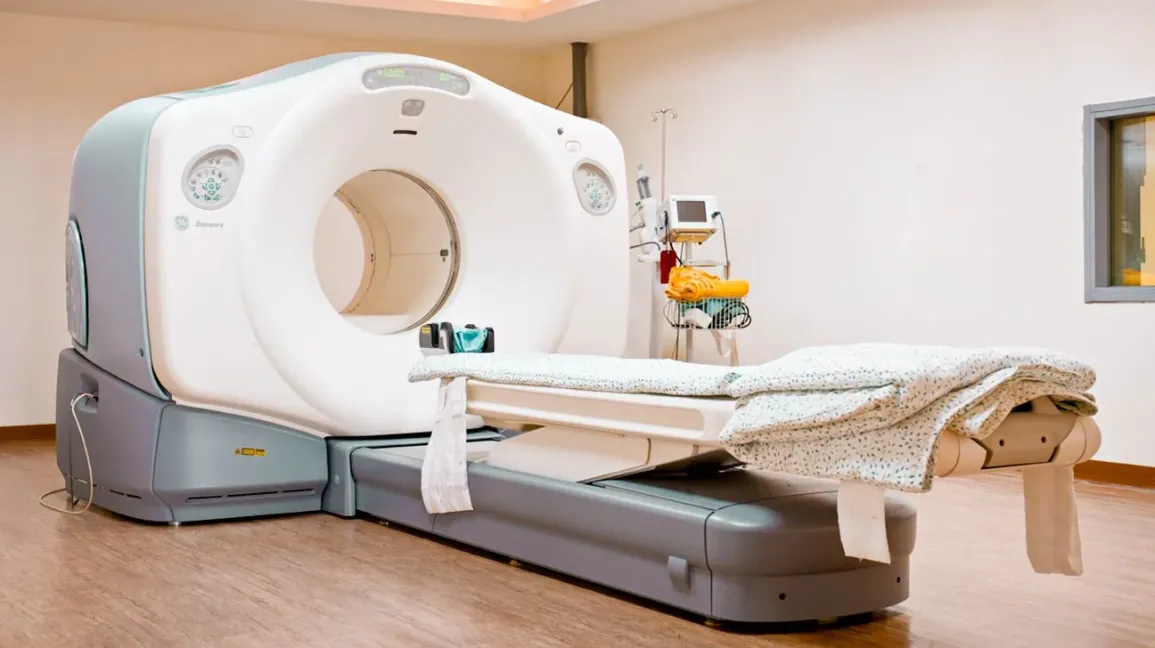
What is a PET CT Scan?
A PET CT scan is an advanced imaging test that identifies abnormal cellular activity inside the body. Unlike conventional scans, it detects changes even before physical symptoms become obvious.
During the procedure, a small amount of radioactive tracer is injected into the bloodstream. After that, the tracer travels through the body and highlights areas with increased metabolic activity.
Consequently, doctors can diagnose diseases more accurately and begin treatment at an early stage. In addition, the scan provides valuable information about the location and extent of the disease.
Why is a PET CT Scan Recommended?
Doctors recommend a PET CT scan for several medical conditions because it provides detailed functional and anatomical information.
- Cancer Detection : First of all, PET CT helps identify cancerous growths throughout the body. It also shows whether the disease has spread to nearby tissues or distant organs.
- Cancer Staging : Furthermore, the scan helps determine the exact stage of cancer. Therefore, oncologists can develop the most suitable treatment plan.
- Treatment Monitoring : PET CT scans evaluate how well chemotherapy, radiation therapy, or surgery is working. As a result, doctors can adjust treatment if necessary.
- Detection of Recurrence : Even after successful treatment, cancer may return. In such cases, PET CT can detect recurrence at an early stage.
- Brain Disorders : Apart from cancer, PET CT imaging also supports the diagnosis of neurological conditions such as Alzheimer’s disease and epilepsy.
- Heart Disease Evaluation : Similarly, cardiologists use PET CT scans to assess blood flow and evaluate damaged heart muscles.
Advantages of PET CT Technology
- Early Detection
Most importantly, PET CT can identify disease before structural changes become visible. Consequently, early intervention and timely treatment become possible. - Highly Accurate Results
Because PET and CT images are combined, doctors receive more comprehensive diagnostic information. Therefore, the accuracy of disease detection improves significantly. - Better Treatment Planning
Accurate imaging helps specialists select the most effective treatment strategy. In addition, it reduces the need for unnecessary procedures. - Non-Surgical Procedure
Unlike exploratory surgery, a PET CT scan is completely non-invasive. Thus, patients experience minimal discomfort during the examination. - Whole Body Imaging
Another important advantage is that PET CT evaluates multiple organs and body systems in a single scan, providing a complete health assessment. - Faster Medical Decisions
Since detailed imaging reports are generated quickly, physicians can make timely and well-informed treatment decisions.
Conditions Diagnosed with PET CT Scan
PET CT scanning is widely used across different medical specialties.
Oncology
Doctors commonly recommend PET CT for:
Lung Cancer
Breast Cancer
Lymphoma
Colorectal Cancer
Cervical Cancer
Ovarian Cancer
Prostate Cancer
Thyroid Cancer
Head and Neck Cancer
Neurology
The scan also assists in evaluating:
Alzheimer’s Disease
Dementia
Epilepsy
Parkinsonian Disorders
Cardiology
In addition, PET CT supports the diagnosis of:
Coronary Artery Disease
Heart Muscle Damage
Cardiac Viability
Infection and Inflammation
Sometimes, hidden infections or inflammatory conditions remain difficult to locate. However, PET CT can identify these areas effectively.a
PET CT Scan Procedure
Understanding the process helps patients feel more comfortable before the examination.
Step 1: Patient Registration
Initially, our team reviews your medical history and completes the required documentation.
Step 2: Radioactive Tracer Injection
Next, a small amount of tracer is administered through a vein.
Step 3: Resting Period
After the injection, you will wait for approximately 45 to 60 minutes. During this time, the tracer spreads throughout the body.
Step 4: Image Acquisition
Then, you will lie comfortably on the scanning table while the machine captures detailed images.
Step 5: Image Analysis
Finally, experienced radiologists carefully review the images and prepare a comprehensive report.
Overall, the entire procedure generally takes about two to three hours.
How to Prepare for a PET CT Scan
Proper preparation helps improve image quality and diagnostic accuracy.
- First, avoid strenuous exercise for at least 24 hours before the scan.
- Additionally, do not eat for 4 to 6 hours before your appointment.
- However, you should drink enough water unless your doctor advises otherwise.
- If you have diabetes, inform your physician in advance.
- Likewise, pregnant or breastfeeding women should notify the imaging team.
- Finally, bring all previous medical records and imaging reports.
By following these instructions, you can help ensure accurate results.
Frequently Asked Questions (FAQ)
Yes. PET CT scans use a very small amount of radioactive tracer, which is considered safe for most patients.
1. What is the cost of a PET CT Scan in Nagpur?
2. Is a PET CT scan painful?
3. How long does a PET CT scan take?
4. Can I eat before a PET CT scan?
5. Is PET CT safe?
Yes. PET CT scans use a very small amount of radioactive tracer, which is considered safe for most patients.